
Actemium is ready to help you move towards net-zero emissions.
Our 570 Business Units form a network of 32,000 experts who help industrial operations perform better while consuming fewer resources.
For decades, this approach has helped our industrial customers reduce their production costs. Today, the context is broader. Alongside other international initiatives, the European Union’s Clean Industrial Deal aims to make decarbonisation a driver of economic growth and resilience by focusing on energy and water efficiency, reducing emissions and enabling circularity.
Actemium is an industrial leader in decarbonisation and energy transition, because one of the fastest ways to reduce a carbon footprint is to optimise industrial processes.
From identifying the biggest sources of impact to implementing the right solutions, we help industrial companies turn energy and carbon reduction opportunities into measurable results.
Our solutions cover a wide range of needs, from energy efficiency and process optimisation to electrification, renewable energy and other low-carbon technologies.
As one example, our Quick Scan offers a practical first step.
What is our Quick Scan?
A one-week efficiency audit that identifies where savings can be made and what it would take to achieve them.
Increasing performance while reducing consumption and waste
Across industrial sectors, Actemium helps customers reduce waste and emissions while improving performance. Our experts focus on three key areas: saving energy and water, reducing emissions, and enabling circularity.
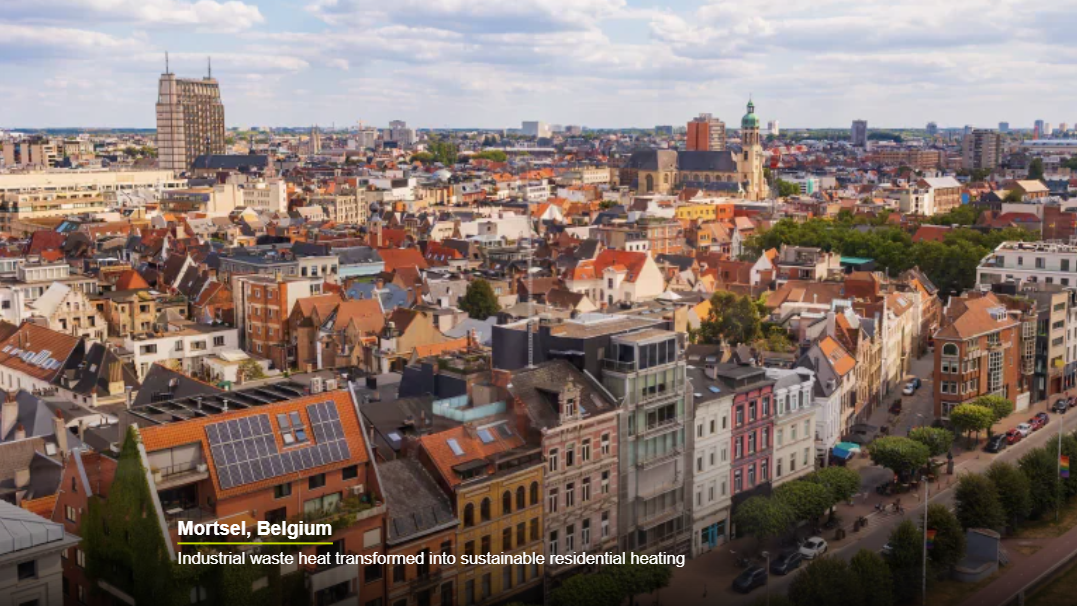
01 – Saving Energy & Water
Actemium helps customers save energy, water and other resources by making industrial processes more efficient. Our experts deliver state-of-the-art automation, digitalisation and electrification solutions, combining expertise in electrical systems, data processing, mechanics and fluid systems.
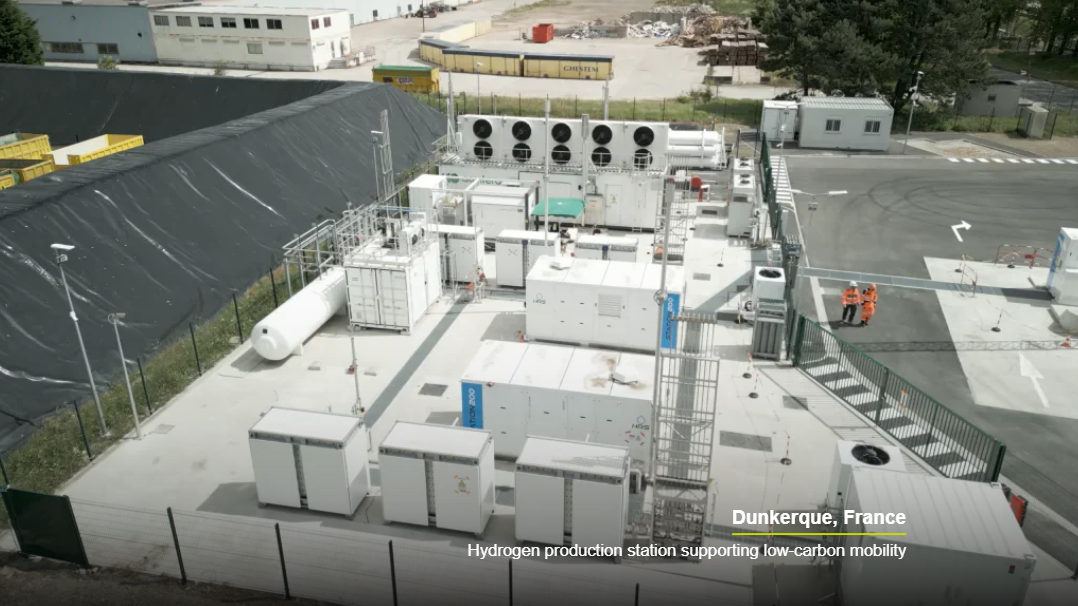
02 – Reducing Emissions
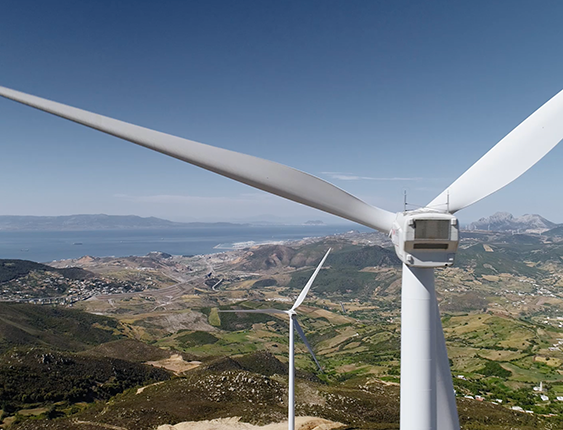
Actemium’s experts provide tailored solutions to reduce greenhouse gas emissions, from electrification — including Onshore Power Supply and Battery Energy Storage — to low-carbon energy technologies such as hydrogen, carbon capture and geothermal energy.
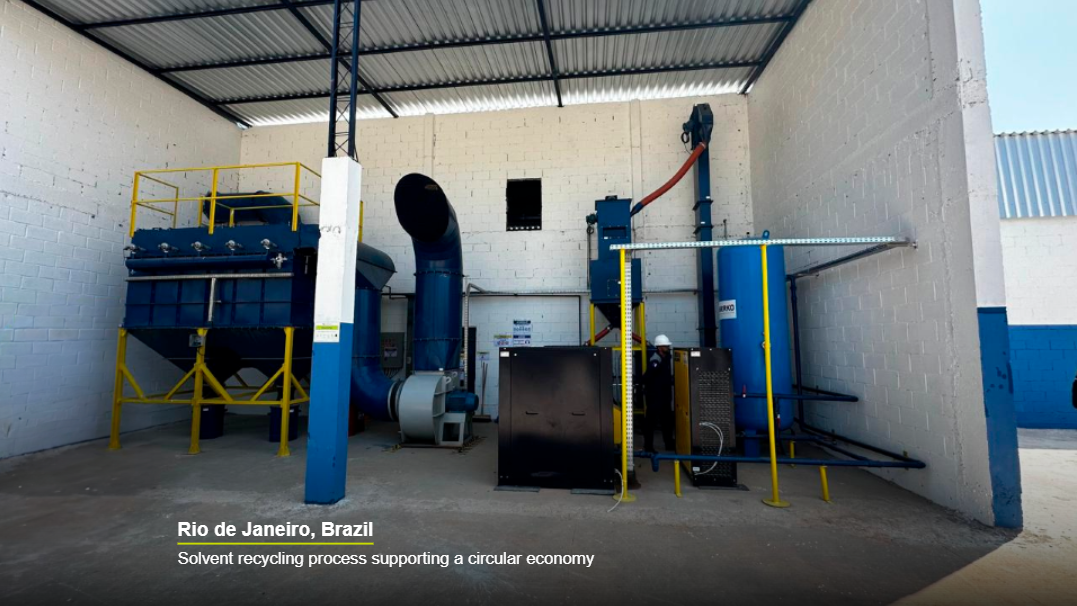
03 – Driving Circularity
We design processes and equipment that extend the life of industrial infrastructure or enable its reuse: by finding better ways to handle equipment at the end of its life, transferring and reassembling equipment from a site where it is obsolete to one where it is needed, or reinjecting materials back into chemical processes.
Success stories: the proof is in the projects
See more projectsOur commitments under the Paris Accords
Actemium’s goals are in line with those of the VINCI Group as a whole. These targets, designed to keep VINCI in line with the commitments of the Paris Climate Agreement to limit global warming to below 2° C by the end of the century, have been validated by the Science Based Targets initiative.
Acting for the climate
- 40% reduction in direct greenhouse gas (GHG) emissions (Scope 1 and market-based Scope 2) by 2030 from the 2018 baseline
- 20% reduction in indirect upstream and downstream GHG emissions (Scope 3) by 2030 from the 2019 baseline
Circular economy
- Recovering 80% of all inert and non-hazardous waste, and 100% of hazardous waste
- Optimising resources by planning for and implementing circular economy measures
- Adaptation of infrastructure and activities to improve their climate resilience
Natural environment
- Preserving natural environments and preventing environmental nuisances and incidents by systematically implementing an environmental management plan in all businesses
- Reducing the water footprint of operations and achieving zero net loss of biodiversity
Actemium is proud of the EcoVadis and other local certifications earned by its business units around the world.
Oliver KELCH
Actemium, Director knowledge & insights
Fabrice Dudragne, Director of Environment and Innovation at VINCI Energies, explains the strategy driving the company towards accomplishing these goals.